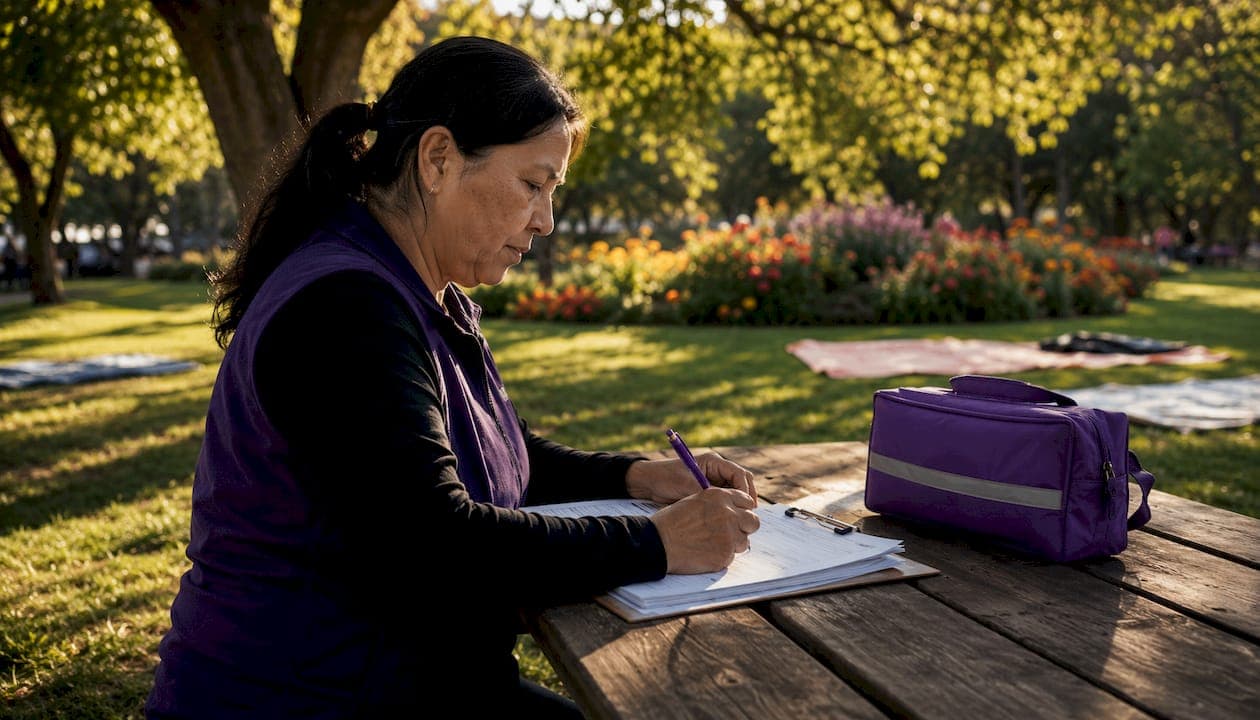
Proper first aid documentation at events is not optional in British Columbia. Under WorkSafeBC's OHS Regulation, every event organiser acting as an employer must create, store, and protect a written record of all injuries, illnesses, and exposures that occur on site. These records support emergency follow-up, protect workers' rights, and give WorkSafeBC officers the evidence they need during inspections. Getting this right from the start protects your event, your workers, and your organisation.
Proper event medical records typically include:
- Date, time, and location of the incident
- Worker's name and contact information
- Nature of the injury or illness and body part affected
- First aid treatment provided and by whom
- Whether the worker was transported for further medical care
- Name and certification level of the attending first aid attendant
- Follow-up actions taken or recommended
Records must be kept confidential, stored securely, and made available to WorkSafeBC officers on request.
What does BC law require for first aid documentation at events?
WorkSafeBC Regulation 3.19 requires employers to maintain a record of every work-related injury, illness, or contaminant exposure that is reported or treated at the workplace. For event organisers, the "workplace" is the event site itself, whether it is a festival ground in Abbotsford, a convention centre in Burnaby, or an outdoor venue in the Fraser Valley.
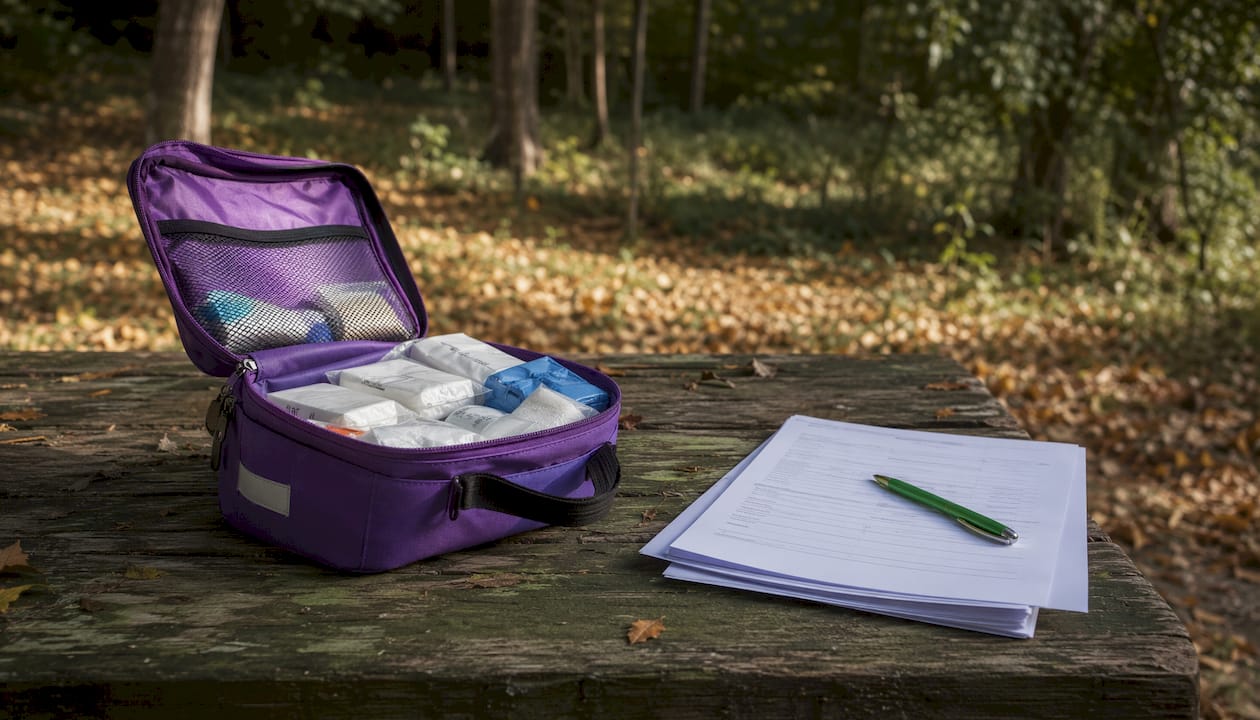
Annual written assessments are required under Regulation 3.16, and a new assessment is triggered whenever event conditions change, such as a shift in attendance numbers, a new venue, or the addition of high-risk activities. The assessment determines the required level of first aid training, the types of equipment needed, and the number of certified attendants to deploy.
Your event safety documentation checklist should cover:
- Completed written first aid assessment, updated before each event
- Written first aid procedures posted or communicated to all workers on site
- Names and certification levels of all designated first aid attendants
- Location of first aid stations, AED units, and emergency transportation vehicles
- Incident reporting forms or a digital equivalent ready for use throughout the event
- Records of first aid drills conducted before or during the event
- Contact information for the nearest BC Emergency Health Services (BCEHS) ambulance station
Workers must report all injuries regardless of severity, and a first aid record must be created for every reported or treated incident, not just serious ones. A sprained ankle at a trade show in Richmond carries the same documentation obligation as a more serious incident at a large outdoor festival in Langley.
Pro Tip: Update your first aid assessment any time your event conditions change, including a new venue, a larger crowd, or added activities like pyrotechnics or water features. Event safety managers who skip this step risk non-compliance and inadequate coverage under WorkSafeBC rules.
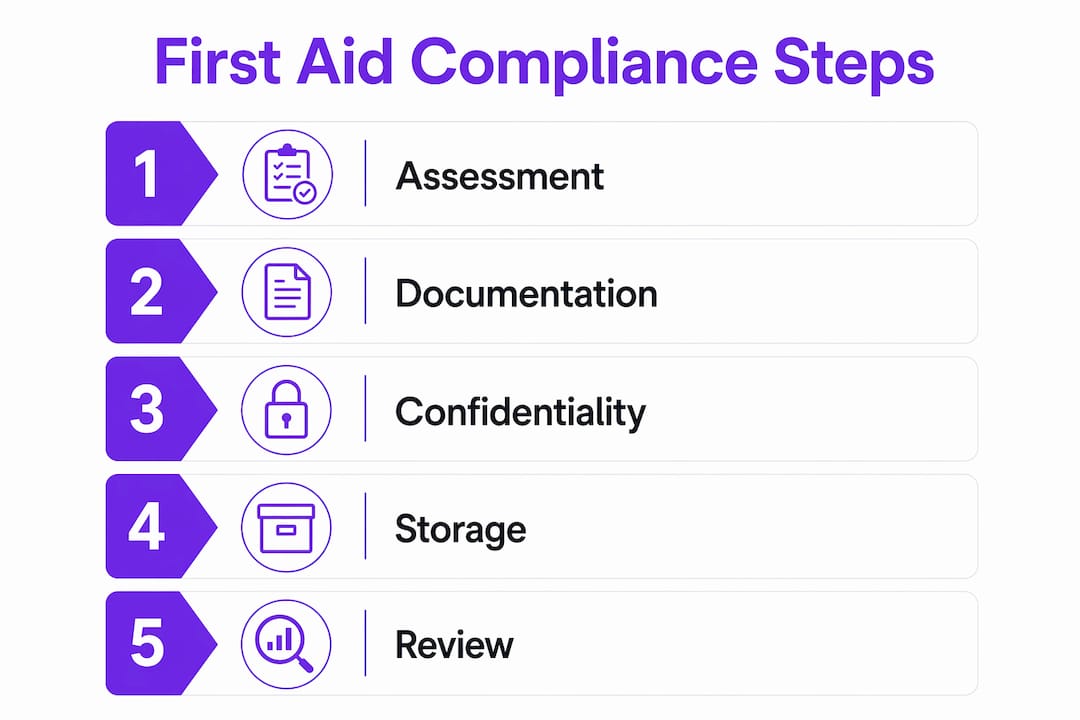
How do you keep first aid records confidential and compliant?
First aid records are personal medical information under BC privacy legislation. That classification carries real obligations. Access must be restricted to authorised personnel only, and disclosure is permitted solely to the injured worker, WorkSafeBC officers, or others explicitly authorised by the worker or by law.
Authorised access includes:
- The injured worker, who may request or authorise access to their own records
- WorkSafeBC officers conducting inspections
- Personnel directly involved in the worker's treatment or follow-up care
- Supervisors or safety managers only when legally permitted
Records must be kept for at least three years from the date of the incident. Disposal after that period must be secure, meaning shredding for paper records and verified deletion for digital files.
Electronic storage is permitted provided the records remain immediately accessible on site throughout the event and appropriate security controls are in place. A password-protected tablet or a secure cloud platform accessible by QR code both satisfy this requirement, as long as every authorised worker can reach the records quickly during an incident.
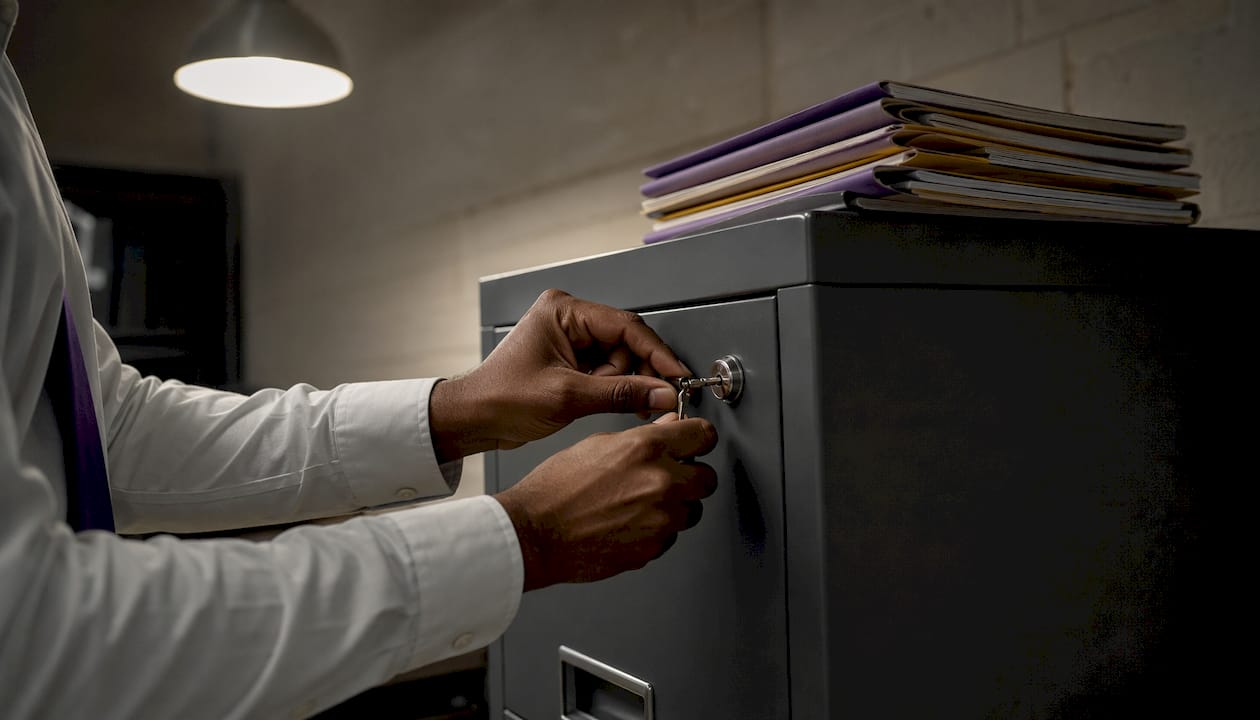
Paper records work well for smaller events in Metro Vancouver or Surrey where a single first aid station is in use. For multi-station events in Coquitlam or Delta, a digital system vetted by your safety coordinator tends to reduce errors and speeds up access during a real emergency.
Expert insights on first aid staffing and documentation at BC events
Thorough documentation and qualified staffing are two sides of the same compliance obligation. A certified first aid attendant does not just treat injuries; under WorkSafeBC's OHS Guidelines, the attendant holds full authority over treatment decisions until care is transferred to BCEHS paramedics, a physician, or a person with equivalent or higher certification. That authority must be reflected clearly in your written first aid procedures.
Best practices from Fairsafe and WorkSafeBC guidance include:
- Conduct your first aid assessment annually and document it in writing before each event
- Assign a lead attendant when multiple certified staff are on site, particularly for serious incidents
- Use WorkSafeBC's Form 55B23 as a starting point, or build a custom digital form that captures all required fields
- Confirm that custom templates are acceptable provided they capture every element required by the Regulation
- Post or distribute first aid procedures using QR codes, mobile apps, or printed copies in first aid kits for temporary event sites
- Clarify in your service agreement with any first aid temp agency exactly who is responsible for creating, storing, and protecting records
When you engage a first aid temp agency like Fairsafe, that agreement should spell out documentation responsibilities before the event begins. Fairsafe supplies certified Occupational First Aid attendants, OFA Level 3 attendants, Emergency Medical Responders, and event medics across Metro Vancouver, the Lower Mainland, and the Fraser Valley, and can confirm equipment availability including AED units, oxygen equipment, and spinal supplies before each assignment.
Pro Tip: Ask your first aid temp agency for a WorkSafeBC clearance letter before the event. It confirms the agency is registered and in good standing, which protects you as the employer of record.
How do you handle documentation when events cross provincial lines?
Events that operate across provincial boundaries, or that draw workers and contractors from outside British Columbia, add a layer of complexity to first aid documentation. The governing rule is straightforward: WorkSafeBC's OHS Regulation applies to any workplace in BC, regardless of where the organiser is incorporated or where workers normally reside.
If your event spans venues in both BC and another province, each provincial site operates under its own jurisdiction's occupational health and safety rules. A festival with stages in both Abbotsford and a neighbouring Alberta location needs separate first aid assessments and documentation systems for each site, each meeting the local regulatory standard.
For events where contractors from outside BC are working on site in Vancouver or Burnaby, the BC OHS Regulation still governs. Those contractors' workers are covered by WorkSafeBC requirements, and the event organiser, as the prime contractor or employer at the site, carries the documentation obligation. Regulation 3.20 addresses multiple-employer workplaces directly, requiring coordination of first aid services and clear assignment of responsibilities among all employers present.
Practically, this means your first aid procedures and incident records must identify which employer each worker belongs to, and your service agreements with contractors should confirm that all incidents are reported to the designated first aid attendant and recorded under the BC system. Fairsafe's team can help event organisers in the Lower Mainland structure these agreements correctly, particularly for large productions or multi-day events with mixed contractor teams. For a broader look at on-site first aid obligations in BC, the guidance applies equally to event sites and traditional worksites.
Key takeaways
Compliant first aid documentation at events in BC requires a written assessment, confidential incident records kept for at least three years, and clear assignment of documentation responsibilities among all employers on site.
| Point | Details |
|---|---|
| Written assessment required | Complete a formal first aid assessment before each event and update it whenever conditions change. |
| Record every incident | Create a first aid record for all reported or treated injuries, regardless of severity, as required by Regulation 3.19. |
| Three-year retention minimum | Store all first aid records securely for at least three years and dispose of them safely after that period. |
| Restrict access strictly | Limit record access to the injured worker, WorkSafeBC officers, and authorised treatment personnel only. |
| Clarify temp agency responsibilities | Confirm in writing which party, organiser or first aid temp agency, is responsible for creating and storing records. |
Need certified first aid temp staff for your next BC event?
Fairsafe is a WorkSafeBC-registered first aid temp agency serving event organisers across Metro Vancouver, Surrey, Richmond, Burnaby, Langley, Coquitlam, Abbotsford, and the Fraser Valley. We supply certified OFA attendants, OFA Level 3 attendants, Emergency Medical Responders, and event medics for single-shift coverage or full multi-day deployments. Equipment including AED units, oxygen, and spinal supplies is confirmed before every assignment.
Whether you need one temp first aid attendant for a community event in Delta or a complete temp medical team for a large production in Vancouver, Fairsafe delivers dependable, compliant coverage at fair rates. Visit fairsafe.ca to request staffing for your next event.